
Mike the Tiger: LSU’s Legendary Mascot
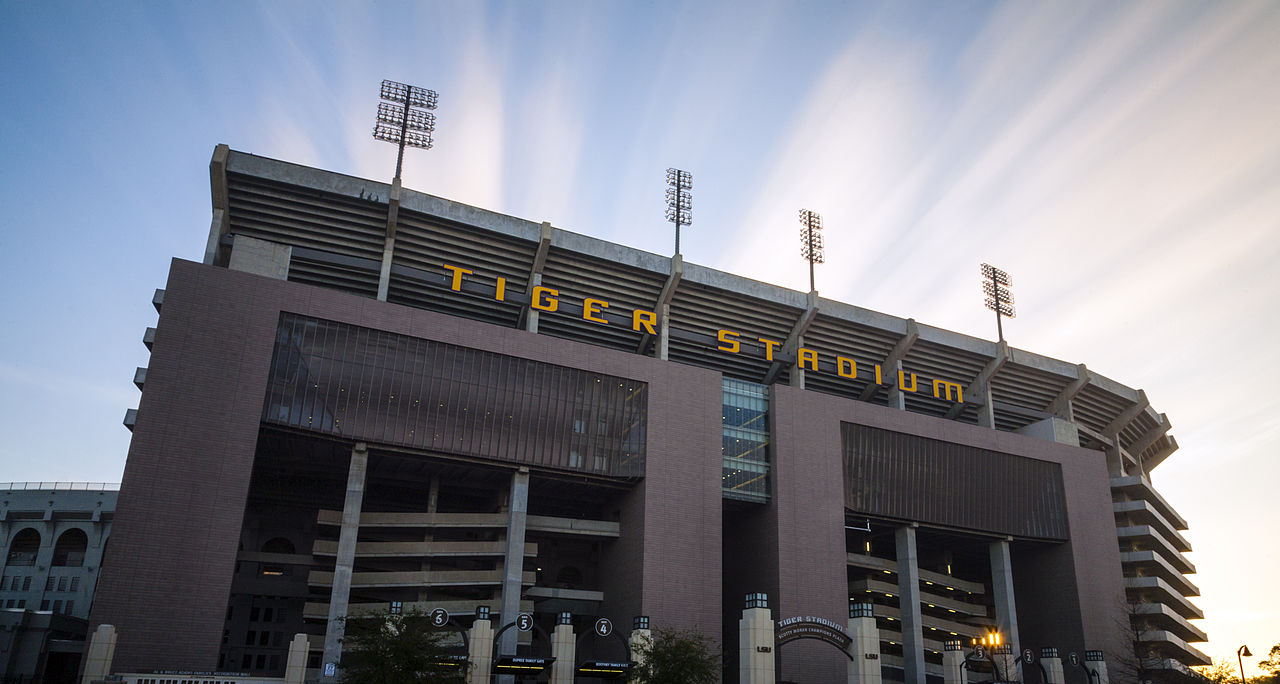
Tiger Stadium — better known as “Death Valley” — in Baton Rouge, Louisiana. Photo by Daniel Foster, licensed CC BY-SA 2.0, via Wikimedia Commons.
Meet Mike the Tiger
Few college mascots are as iconic, or as real, as Mike the Tiger. Since 1936, a live tiger has lived on the LSU campus in Baton Rouge, embodying the spirit of the LSU Tigers and giving the team’s home stadium its thunderous nickname, “Death Valley.” Mike is far more than a game-day symbol — he is a permanent campus resident, cared for around the clock by LSU’s veterinary school, and one of the most recognizable mascots in American college sports.
A Tradition Since 1936
LSU adopted the Tiger nickname back in 1896, but it wasn’t until 1936 that the school brought home its first live mascot, Mike I, purchased from the Little Rock Zoo for $750. In the nine decades since, seven tigers have carried the name and the tradition:
- Mike I (1936–1956) — the original, who reigned for two decades
- Mike II (1956–1958) — a brief tenure
- Mike III (1958–1976) — purchased from the Seattle Zoo for $950
- Mike IV (1976–1995) — donated by Busch Gardens
- Mike V (1990–2007) — the first Mike to live in the current habitat, completed in 2005
- Mike VI (2007–2016) — attended 33 home games before passing from cancer
- Mike VII (2017–present) — LSU’s current mascot
Mike VII Today
The current Mike arrived on campus in August 2017 as an 11-month-old Bengal-Siberian mix, originally named “Harvey” before LSU renamed him. He weighed about 179 pounds on arrival and quickly grew to roughly 345 pounds within his first year. Mike VII acclimated well to campus life and has gone on to become a beloved fixture at LSU, drawing visitors to his habitat year-round.
A Habitat Built for a King
Mike lives in a 15,000-square-foot natural habitat near Tiger Stadium, featuring a waterfall, a stream-fed pool, lush landscaping, a rockwork tree, and an Italianate viewing tower. Roughly $950,000 in more recent upgrades added heated and cooled “comfort rocks” and improved water features so Mike stays comfortable through Louisiana’s hot summers and occasional cold spells. On Thursday mornings from March through November, Mike is kept in his night house while his habitat is cleaned and maintained.
The Game-Day Roar
Mike’s roar is as much a part of LSU football lore as any play on the field. Tradition once held that for every growl Mike let out before kickoff, the Tigers would score a touchdown that night. Out of concern for Mike’s welfare, LSU has since moved away from prompting growls in person before games, but his presence — and his stadium’s deafening “Death Valley” reputation — remain central to the LSU game-day experience.